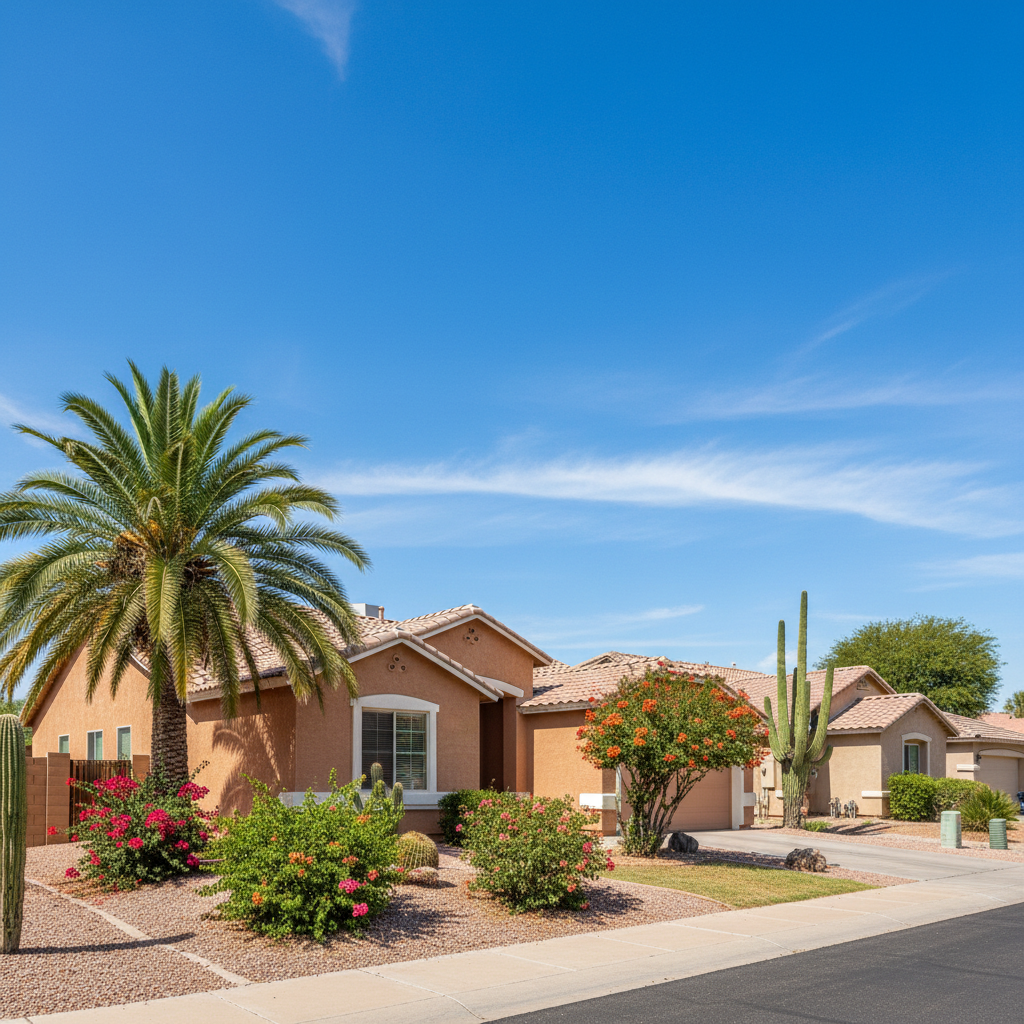
So, you're thinking about painting your stucco home here in Glendale. Maybe it's looking a little tired, or you just want a fresh new look. Totally understandable! A new coat of paint can really make a place pop. But here's the thing: painting stucco, especially out here in the desert, isn't quite the same as painting drywall inside your house. It's a whole different animal, and if you don't tackle it correctly, you'll probably regret it sooner than you think.
The Glendale Sun: Your Stucco's Worst Enemy
Let's be honest, our sun is no joke. It's intense, it's relentless, and it absolutely bakes everything it touches, including your stucco. That constant UV exposure isn't just fading your current paint; it's also drying out the stucco itself. Over time, this can lead to hairline cracks, that chalky look, and a surface that just won't hold onto new paint. You can't just slap any old exterior paint on there and expect it to last. You need something built to withstand our brutal summers and the occasional monsoon downpour.
I've seen countless homes, from the older ranch styles near Grand Avenue to the newer developments out by Luke Air Force Base, where folks tried to cut corners on paint or prep. A year or two later, they're calling me up because the paint's peeling, bubbling, or just looks terrible. What a waste of money and a real headache.
Good Prep Work is Half the Battle (Maybe More)
Before any paint even touches your walls, the prep work is absolutely crucial. And for stucco, it's even more so. You've got to make sure the surface is clean, dry, and sound. That means pressure washing to get rid of dirt, dust, and any loose paint. But you can't just blast away; too much pressure can actually damage the stucco. Then you've got to let it dry completely – and I mean *completely*. In our dry climate, that usually doesn't take too long, but you still need to be patient.
Next, you're looking for cracks. Even tiny hairline cracks need to be dealt with. If you paint over them, they'll just show through, and worse, they'll let moisture in behind your new paint. That's a recipe for disaster, believe me. We use specialized elastomeric patching compounds that can flex with the stucco as it expands and contracts with our wild temperature swings. This isn't just about looks; it's about protecting your home's envelope.
Picking the Right Paint for Desert Stucco
This is where local expertise really comes into play. You don't want a paint that's going to dry out and crack in a year. You need a high-quality, breathable elastomeric paint. These paints are designed to stretch and move with the stucco, preventing new cracks and bridging over existing hairline ones. They offer superior UV resistance, which is an absolute must here in Glendale, and they're often formulated to resist mildew and dirt pickup.
Think about the color too. Darker colors absorb more heat, which can put extra stress on your stucco and even raise your cooling bills. Lighter, more reflective colors are often a smarter choice for long-term performance and energy efficiency in our climate. It's not just about what looks good today; it's about what will perform well for years to come.
Why a Local Pro Makes a Difference
You might be thinking,