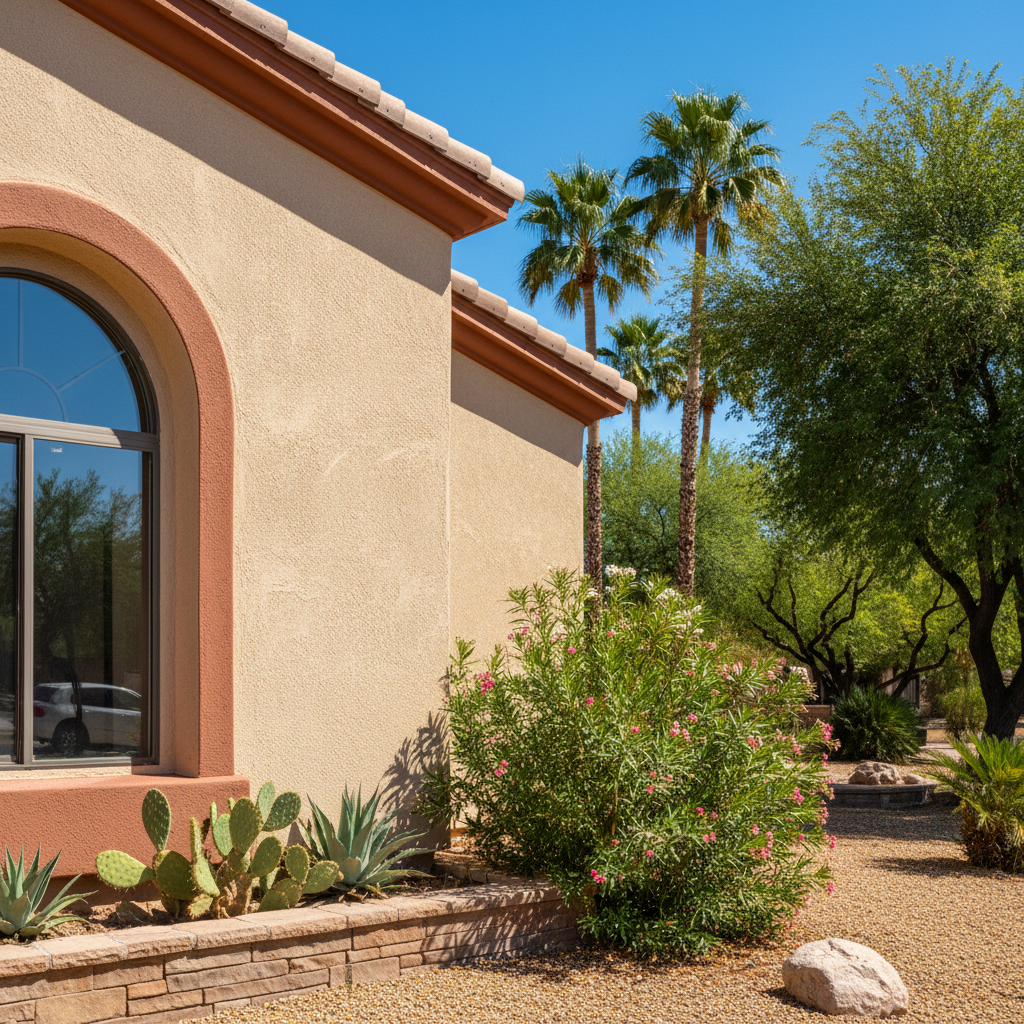
Alright, let's talk about commercial stucco here in Glendale. You've got it on your business, probably because you know it's a tough, good-looking, and cost-effective finish. But 'tough' doesn't mean 'set it and forget it,' especially not with our Arizona sun beating down year-round. You want your building to look sharp and protect your investment, right? That means a little attention to your stucco.
Extending Your Stucco's Lifespan in the Desert Heat
Our climate is unique. We don't get much rain, but when we do, it can be a deluge. And that sun? It's relentless. These factors are what you're up against. The biggest thing you can do to extend the life of your commercial stucco is to protect it from water intrusion and UV damage. That means keeping up with sealants and paint.
- Sealant Maintenance: Pay attention to all penetrations – windows, doors, pipes, vents, and expansion joints. These are the weak points. The caulk or sealant around them dries out, cracks, and pulls away over time, especially with our extreme temperature swings. You'll want to inspect these annually and re-seal any areas that show signs of failure. It's a small task that prevents huge headaches.
- Paint and Coatings: A good quality elastomeric paint isn't just for looks; it adds an extra layer of protection against UV rays and moisture. Over time, the sun will fade and degrade the paint. A fresh coat every 5-10 years, depending on the paint quality and sun exposure, can significantly extend the life of your stucco system underneath. Think of it as sunscreen for your building.
- Drainage Matters: Make sure your landscaping isn't directing water towards your foundation or walls. Check your gutters and downspouts regularly to ensure they're clear and directing water away from the building. Ponding water near stucco is a recipe for disaster.
What Regular Maintenance Looks Like for Your Business
Beyond those bigger projects, there's simple stuff you can do to keep things humming along. It's not rocket science, just common sense.
- Routine Cleaning: Dust, dirt, and even some of that monsoon grime can build up. A light pressure wash (and I mean light – don't blast it like you're stripping paint) with a mild detergent can do wonders. Make sure to rinse thoroughly. You don't want chemicals sitting on your stucco.
- Visual Inspections: Walk around your building every few months. Look at the walls, especially after a heavy rain or a dust storm. Are there new cracks? Is anything discolored? Is the sealant around windows still looking good? Catching small issues early is always cheaper than fixing big ones later.
- Trim Landscaping: Keep bushes and trees trimmed back from the stucco surface. They can hold moisture against the wall, scratch the finish, and provide pathways for pests.
Warning Signs: Don't Ignore These Red Flags
Your stucco will usually tell you when something's wrong, you just have to know what to look for. Don't brush these off.
- Cracks: Hairline cracks are pretty normal with stucco, especially in our climate where things expand and contract. But if you see cracks that are wider than a credit card, or if they're running in a spiderweb pattern, or if they're horizontal and stepping along mortar lines, that's a problem. Those can be signs of structural issues or significant water damage.
- Discoloration or Stains: Dark streaks, especially under windows, near the roofline, or at the base of the wall, almost always mean water is getting in somewhere. Green or black spots could be mold or algae, indicating persistent moisture.
- Bulging or Soft Spots: If you press on the stucco and it feels soft, or if you see areas that look like they're bulging out, that's a serious red flag. It means the stucco is delaminating from the substrate, likely due to water damage behind the wall.
- Efflorescence: This is that white, powdery substance that sometimes appears on stucco. It's mineral salts left behind when water evaporates from within the wall. It's a clear sign of water intrusion.
When to Call a Professional (Like Glendale Stucco Solutions)
Look, for minor cleaning or re-caulking, you might handle it yourself or have your maintenance team do it. But for anything more serious, you really need to bring in the pros. If you see significant cracking, persistent staining, soft spots, or any signs of water intrusion, don't delay. Water damage behind stucco can lead to rot, mold, and expensive structural repairs if left unchecked. A professional stucco contractor, like us at Glendale Stucco Solutions, has the experience to properly diagnose the problem, identify the source of the water, and make durable repairs that will last. We know the unique challenges of stucco in areas like the historic Catlin Court district, where older buildings sometimes have different stucco systems that require specialized attention. Don't guess; get an expert opinion. It's an investment in your business's longevity.